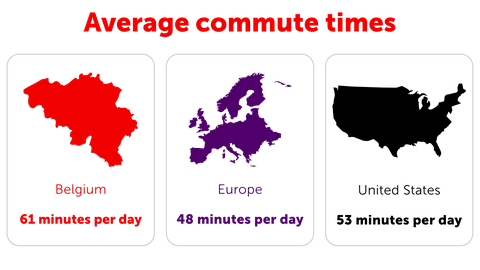
Taken together, these are what make Dixon’s prediction so intriguing. Research referenced in the Fortune article suggests that long daily commutes could largely disappear by 2040, with 80% of Gen Alpha respondents expecting flexible work to be the norm and only about a quarter believing they will tolerate a commute longer than 30 minutes. That doesn’t mean everyone will work from a bedroom. Dixon’s vision is broader: “The workplace of the future is everywhere.”
That could mean home, a neighborhood coworking center, a corporate office, a customer location, or someplace we haven’t invented yet. The important concept isn’t remote work as much as it is work-location autonomy: giving knowledge workers reasonable control over where they perform their work based on what they need to accomplish that day. Need uninterrupted concentration? Stay home. Need mentorship? Go to the office. Need intensive collaboration? Get everyone together. Need to see a customer? Go see the customer. Location becomes another tool selected for the task rather than a ritual dictated by tradition.
That could change much more than offices. If people no longer have to organize their lives around commuting distance from a particular building five days a week, they can choose where to live based on quality of life, affordability, schools, family, climate, religious or cultural communities, healthcare, or simply where they want to be. Cities, offices and gatherings won’t disappear, but the reasons for them may change.
Perhaps that is the larger lesson hiding underneath the remote-work debate. The pandemic was not a permanent operating model. It was a trial run that exposed our strengths and weaknesses on a scale we could never have intentionally created. The current return-to-office backlash does not erase what that experiment taught us.
Ultimately, I suspect the answer will be neither the deserted offices of 2020 nor the mandatory five-day commutes some organizations are trying to resurrect. It will be a more mature model in which knowledge workers have greater autonomy to determine where they can most effectively accomplish what needs to be done, offices earn the commute by providing experiences worth traveling for, managers manage outcomes rather than attendance, and technology makes moving among all of those places essentially invisible.
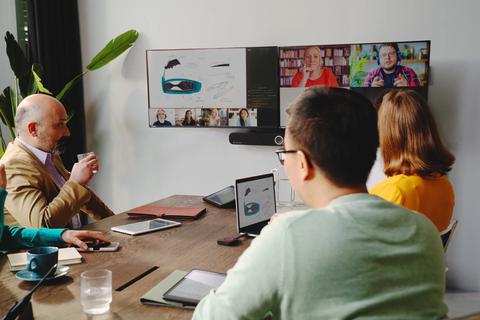
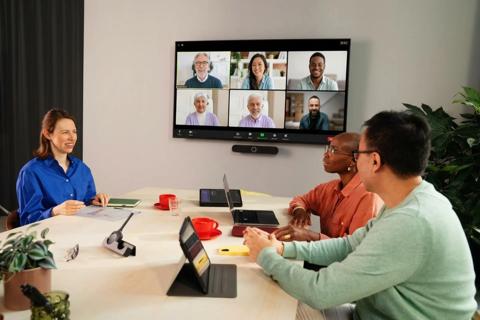
Dixon believes that within 15 years, our children may find it bizarre that people routinely traveled enormous distances merely to sit in front of a computer. I don’t know whether his timetable is right, but I think his perspective is. Someday, people may look back at millions of workers getting up before sunrise, spending an hour sitting in traffic or packed into trains, arriving at office buildings, opening laptops, walking into stunningly complex conference rooms, joining video meetings with people somewhere else, closing those laptops eight hours later and spending another hour traveling home.
They’ll ask the same question we ask when we read about so many accepted practices from the past: Why did you do that? The uncomfortable answer may simply be that, at the time, we still hadn’t convinced ourselves there was a better way.