Context
The exhibition was designed around ultrahighdefinition 4K imagery to showcase traditional palace motifs in a contemporary digital format. Barco projectors powered seven custombuilt spaces, each presenting a different theme inspired by patterns found in imperial buildings, pottery, and textiles. The result was a dynamic reinterpretation of historic craftsmanship through immersive light and shadow.
Challenge
The project’s scale and artistic ambition introduced multiple layers of complexity. Seven large immersive rooms required meticulous image accuracy to faithfully reproduce delicate lines, intricate textures, and rich colors drawn from traditional Chinese art. The content involved complex mappings with highresolution files, increasing the risk of visual issues such as distortion, warping, or misalignment at blend zones.
The physical venues added further challenges. Both spaces lacked standard ceiling mounts, and drilling into the floors was prohibited, making projector placement difficult. Units had to operate in horizontal, vertical, and angled positions, pushing the limits of stability, lens flexibility, and installation creativity. Once open to the public, the exhibition demanded long daily operating hours in environments with high visitor traffic, putting stress on light source lifetimes and longterm resistance to dust and humidity. Managing and maintaining dozens of projectors concurrently also required a reliable, efficient operational strategy.
Solution
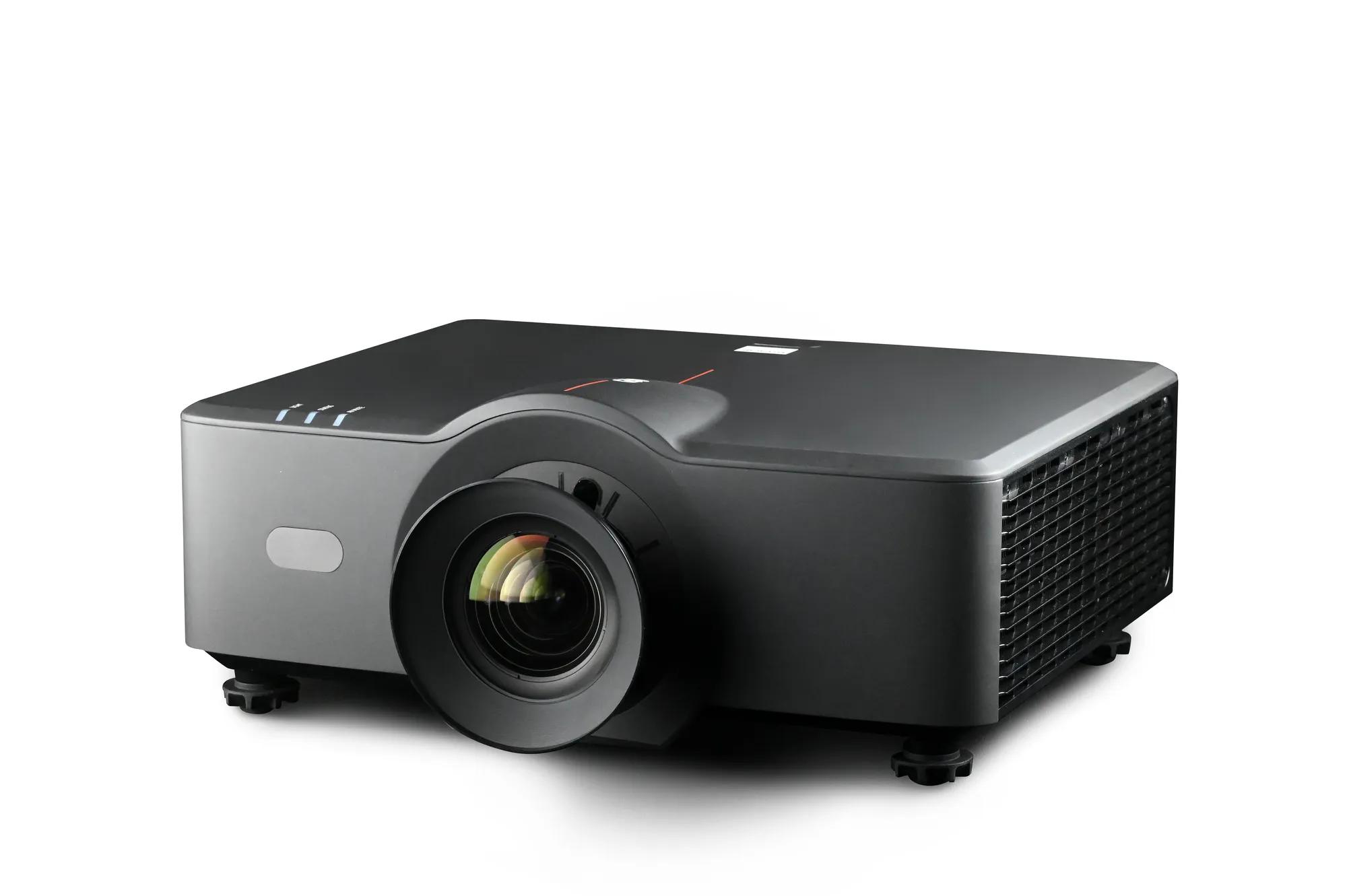
The project deployed one hundred and ten Barco I600 projectors and thirty-three G50 projectors in total to create seven large-scale immersive spaces in Shanghai and Hong Kong. Both venues projected the opening sequence onto the main wall in the lobby space – using I6004K8 in Hong Kong and I6004K15 in Shanghai – to set the tone with crisp, vibrant colors.
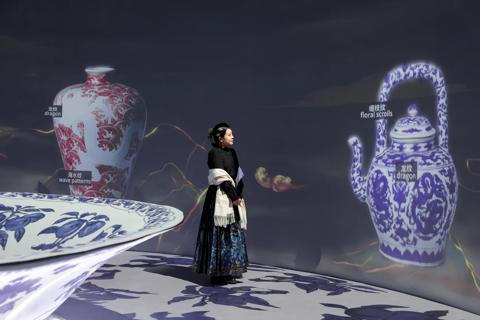
The Radiant Splendor gallery transformed intricate ceramic motifs into fluid, highdefinition animations extending across walls and floors. A combination of I600 and G50 projectors created vibrant, flowing sequences that surrounded visitors in shifting patterns of light.
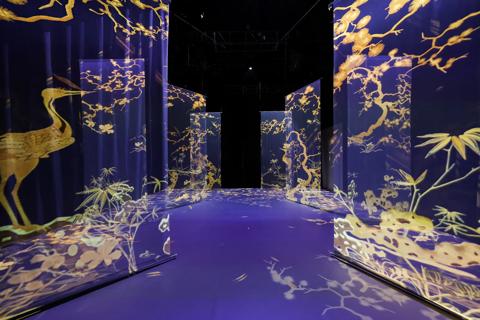
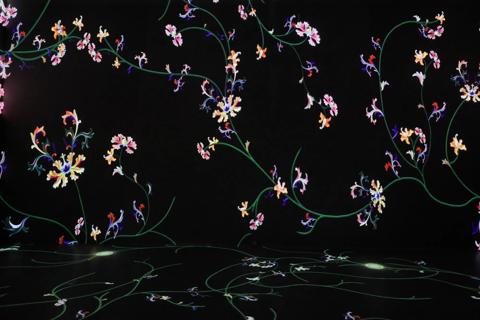
One of the exhibition’s most technically complex areas, Natural Patterns used up to 16 projectors per venue to animate motifs from more than 600 Palace Museum artifacts such as lotus flowers, egrets, loquats and carps. Overhead projection and a central “Bowl” installation produced layered visuals that blended traditional imagery with modern motion design.
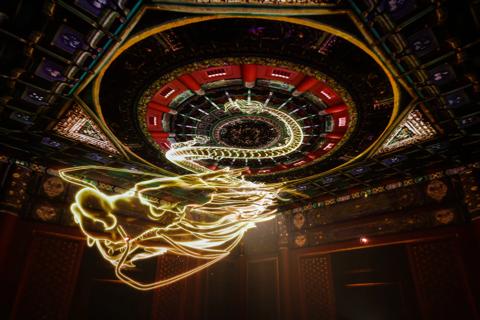
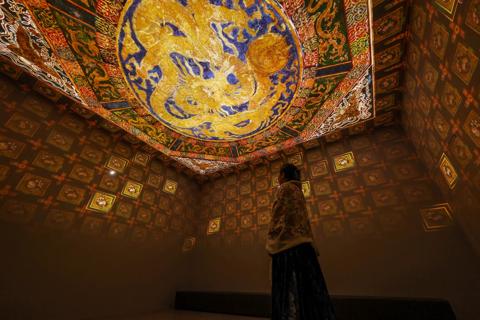
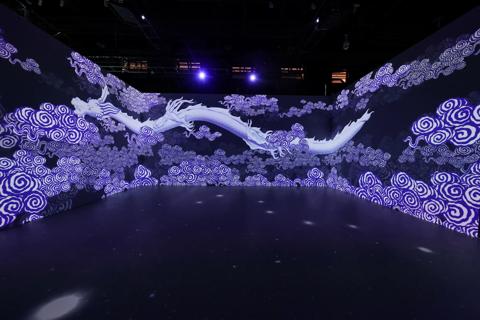
Another highlight in both cities, the Ornamental Carvings room recreated the ornate caisson ceilings of iconic Forbidden City halls. Using shortthrow and ultrashortthrow lenses, Barco projectors mapped rotating starmap designs and a dramatic descending golden dragon, becoming one of the most memorable visual sequences of the exhibition.
Other themed rooms – including Splendid Emblems, Shadows Through Lattice Windows, and Ancient Patterns with New Life – combined scrim, wall, floor, and ceiling projection to reinterpret historic textile motifs, auspicious architectural elements, and nature-inspired imagery. In Shanghai, an interactive installation allowed visitors to design personalized patterns that appeared instantly within the surrounding projections.
Results
The Ways in Patterns reimagined the Forbidden City’s artistic heritage for modern audiences. Through Barco’s endtoend projection solutions, historical motifs gained renewed vitality as moving, immersive visual stories. From content preparation to onsite installation and longterm operation, Barco served as a key partner in transforming traditional craftsmanship into digital art, demonstrating how light can preserve, reinterpret, and celebrate cultural heritage.