Indietro
When AI joins the production crew
4 min di lettura
AI has quickly found its way into the tools we use to write, design, analyze, and communicate. It can write your emails, summarize your meetings, and create an image in seconds. But some of its most interesting applications may be happening somewhere less obvious: behind the scenes.
Think about what goes into producing a great live event. A presenter walks across the stage. One camera needs to follow. Another shot gives the audience a closer look. Someone has to decide which angle works best and when to switch between close-ups and wider views.
For the audience, it should all feel effortless. Delivering that experience, however, takes work. It calls for production expertise and, depending on the setup, multiple operators.
And as events become increasingly hybrid, the expectations keep rising. The audience doesn’t want to feel like they’ve been given the seat at the very back of the room. They expect engaging, well-framed video that brings them closer to the action.
The challenge is delivering that experience without needing a small broadcast army to make it happen. So, what if AI could take care of some of that complexity?
Giving smaller teams bigger capabilities
This is where SwiftAgent has the potential to make a meaningful difference in live production.
Instead of asking an operator to manually follow every movement and make every live shot decision, the SwiftAgent AI features can take on some of the heavy lifting. It can track presenters as they move, compose appropriate shots, and help decide which view should go live. In other words, AI can become an extra pair of eyes behind the scenes.
The result is less about replacing the people behind a production and more about helping them do more with the resources they have. For organizations dealing with tight budgets, limited AV expertise, or lean production teams, that can open new possibilities. High-quality live production becomes easier to manage, while operators have more room to focus on the overall experience instead of constantly chasing the next shot.
And the viewer? They simply get a better show. Rather than watching a static wide shot of a stage, they can experience dynamic, well-composed views that keep the focus where it belongs: on the speaker and the story.
Let AI take the wheel. Keep your hands close by.
Of course, there’s an elephant in almost every conversation about AI: who is really in control. The best answer might be both.
That’s why the most interesting role for AI isn’t necessarily replacing the operator. It’s working alongside the operator. AI is particularly valuable when it handles repetitive, fast-moving decisions in the background while leaving people free to step in whenever their judgment matters.
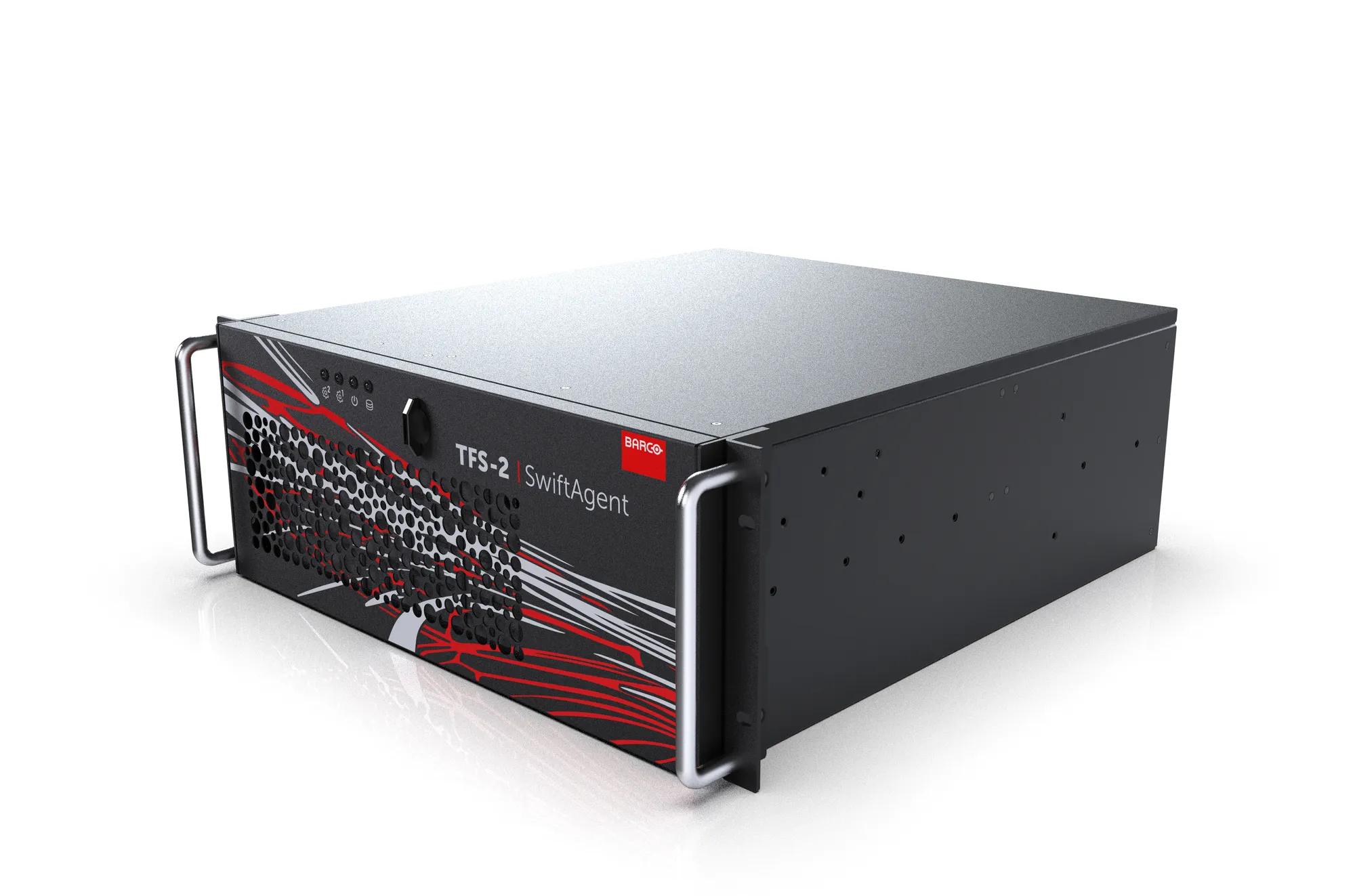
That thinking sits at the heart of Barco SwiftAgent. Its AI-powered Virtual Assistant acts like an automated camera operator and vision mixer: tracking people, framing shots, and selecting what goes to preview and program. Crucially, the human operator can step in, move between automated and manual workflows, or override the AI at any moment when needed.
The AI handles the routine decisions. The operator keeps the final say. The goal isn’t simply automation; it’s better production with less operational complexity. That combination can make sophisticated productions more accessible to smaller teams while helping experienced operators spend their attention where it adds the most value.
Less AI buzz. More AI doing useful things.
There’s no shortage of bold predictions about what AI will do someday. Perhaps there’s more value in looking at what it can already take off our plates today. For AV teams, that means asking practical questions.
Can AI help one operator manage a production that previously required more hands? Can it give viewers a more engaging experience? Can it take some of the pressure out of live shot selection? Can it make professional-looking production accessible in spaces where a full broadcast crew simply isn’t realistic?
With SwiftAgent, the answer is increasingly yes. Because the best use of AI might not be the one that gets the biggest round of applause. It might just be the one quietly running backstage.