The most important paradigm shift for 2026 is deceptively simple: meeting rooms are infrastructure, not furniture.
Historically, meeting spaces have been managed reactively. Something breaks, someone complains, IT responds. Visibility into room usage, performance, or reliability has been limited at best. The result? Downtime, underutilized investments, and frustrated employees who lose trust in the technology meant to help them collaborate.
That model is no longer sustainable.
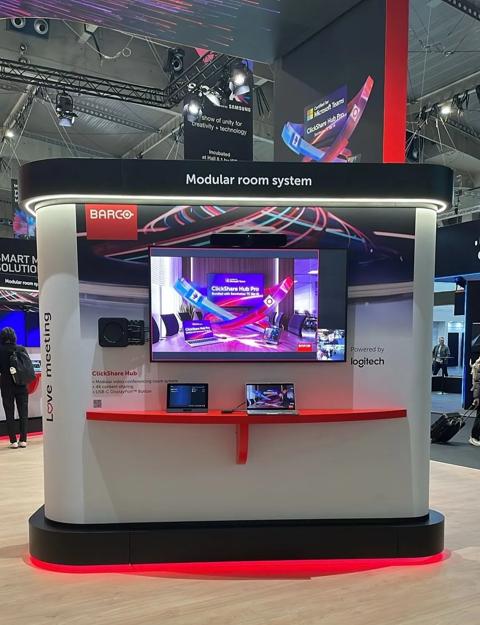
Meeting rooms are increasingly modular, software-defined, and data-enabled. They can – and must –be monitored, secured, patched, and optimized like any other endpoint on the network. For IT leaders, this means treating rooms as measurable, maintainable assets with clear performance indicators.
This shift is especially visible in medium and large rooms, where organizations are investing more heavily in professional AV – microphones, speakers, cameras – integrated directly into IT management frameworks. AV over IP adoption is accelerating as IT teams push for consistency, security, and centralized control across corporate networks.
By treating meeting rooms as fully managed IT assets, IT leaders gain a seat at the table where decisions about culture, teamwork, and productivity are made.