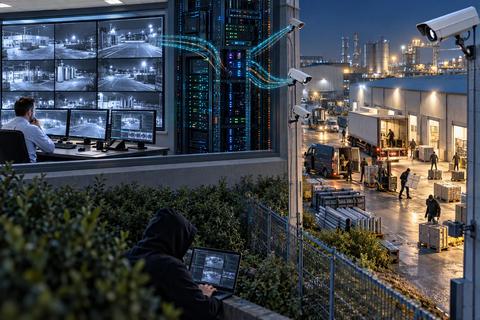
Ransomware does not necessarily need to manipulate the control system directly to interrupt operations. In the second quarter of 2026, the operational disruption observed in industrial environments largely resulted from the encryption of enterprise and virtualization systems or from precautionary shutdowns, rather than direct manipulation of industrial control systems.
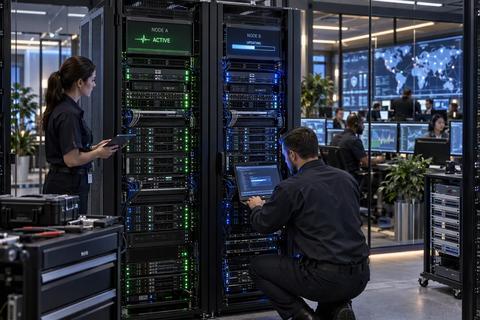
When the systems supporting OT become unavailable, operators may lose their visibility over the process. For a control room, losing that view is already an operational incident.
The number of attacks against system integrators and equipment manufacturers also makes this a supply-chain issue. A vulnerability at one supplier can potentially affect many operators.
How is generative AI changing the way attackers operate?
Generative AI is making many attacks cheaper, faster and more convincing. It does not necessarily create completely new attack techniques, but it allows attackers to execute existing techniques at greater speed and scale.
Phishing messages can now sound natural in almost any language. Voice phishing and deepfakes also make scenarios such as “the CEO called and needs this urgently” much more difficult to identify.
You can no longer rely on bad grammar to expose a phishing attempt.
That means verification needs to become part of the process. Examples include call-back procedures, independent approval for sensitive requests and phishing-resistant multifactor authentication.
AI can also help attackers move from a published vulnerability to a working exploit more quickly. Organizations therefore need both fast technical responses and processes that make social engineering more difficult.
Can AI also help control room defenders?
Absolutely. On the defensive side, AI can be very effective at examining large volumes of log events and alerts, finding patterns and helping security teams focus on the events that matter.