Of course, there’s an elephant in almost every conversation about AI: who is really in control. The best answer might be both.
That’s why the most interesting role for AI isn’t necessarily replacing the operator. It’s working alongside the operator. AI is particularly valuable when it handles repetitive, fast-moving decisions in the background while leaving people free to step in whenever their judgment matters.
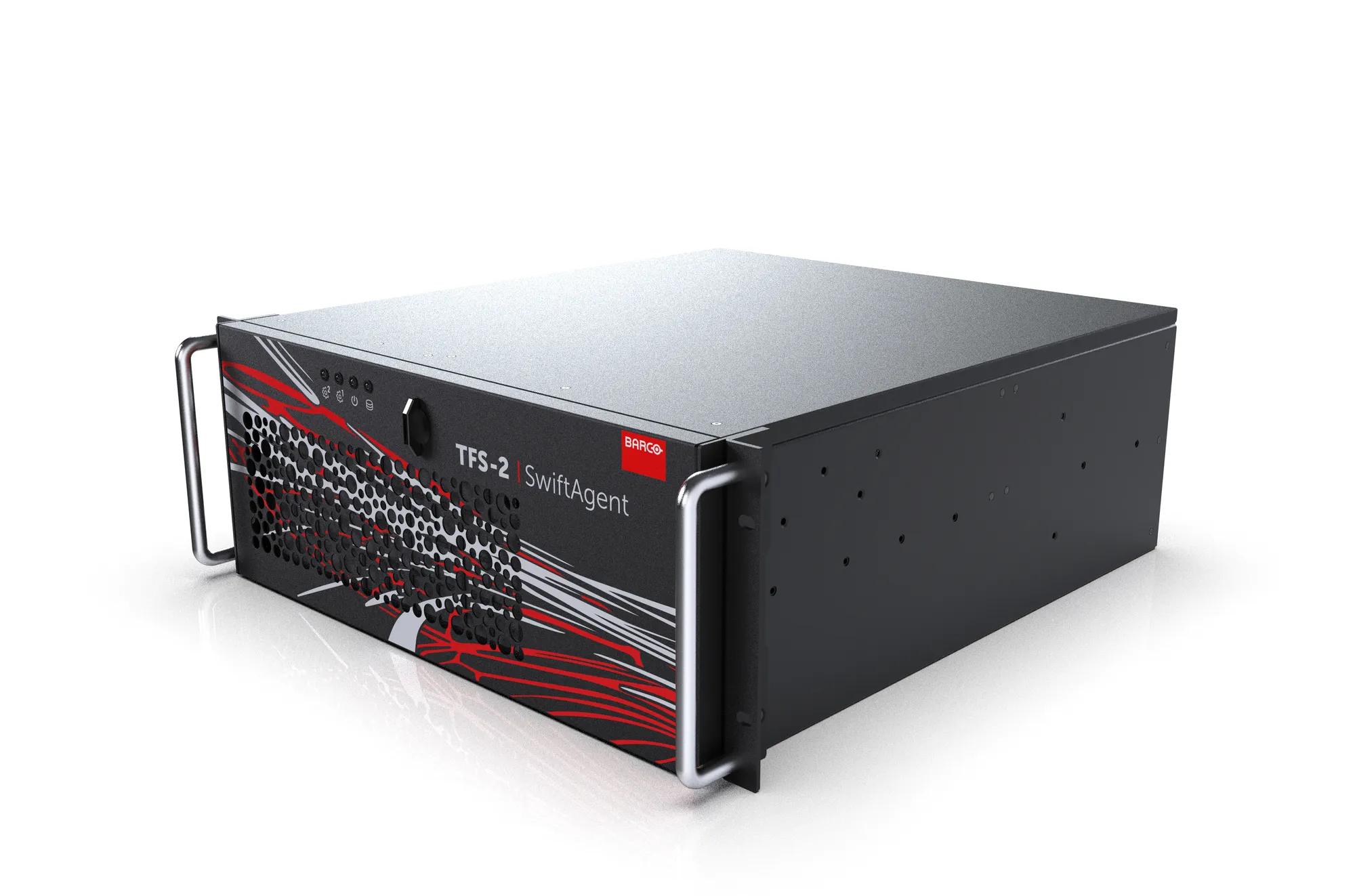
That thinking sits at the heart of Barco SwiftAgent. Its AI-powered Virtual Assistant acts like an automated camera operator and vision mixer: tracking people, framing shots, and selecting what goes to preview and program. Crucially, the human operator can step in, move between automated and manual workflows, or override the AI at any moment when needed.
The AI handles the routine decisions. The operator keeps the final say. The goal isn’t simply automation; it’s better production with less operational complexity. That combination can make sophisticated productions more accessible to smaller teams while helping experienced operators spend their attention where it adds the most value.