
1 in 2
struggle with connecting audio and video
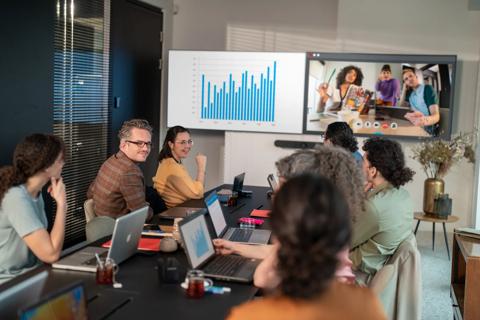
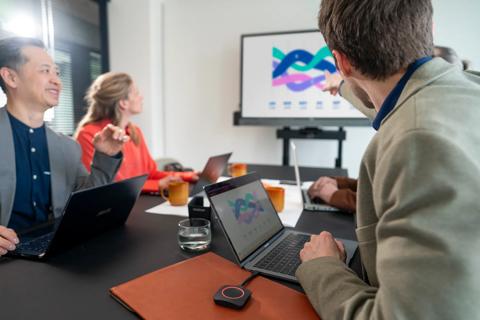
Modern conference rooms should help teams collaborate, make decisions, and connect seamlessly. No matter if meeting participants are in the room or joining remotely. Yet many organizations still struggle with complex technology, inconsistent meeting experiences, and frustrated users.
Het lijkt erop dat u geen cookies hebt geaccepteerd
Activeer prestatiecookies om deze video te bekijken.
Conference rooms are where important conversations happen. They are where teams align on strategy, customers experience your brand, and decisions are made that move organizations forward. But when the room experience is inconsistent or difficult to use, collaboration slows down before the meeting even begins.
Today many conference rooms still create friction instead of enabling collaboration. Complicated technology, inconsistent room experiences, and hybrid meetings that leave remote participants feeling disconnected can slow productivity and frustrate both employees and IT teams.
struggle with connecting audio and video
are frustrated by recurring technical issues
Modern conference room solutions help organizations create seamless, engaging, and inclusive meeting experiences. By combining room systems, video conferencing technology, wireless conferencing, and wireless presentation, companies can transform every conference room into a space where people collaborate naturally and effectively.
Meetings start late due to tricky or unknown setups
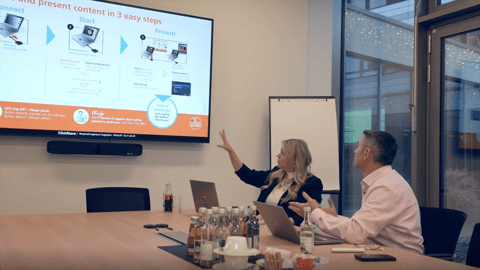
Cables, adapters, and complex room setups slow users down
Remote participants feel left out
Different room setups increase IT support burden
The room is not ready for AI-powered hybrid collaboration
Improve collaboration
Increase meeting productivity
Standardize meeting experiences
Reduce IT complexity
Future-proof their workplace investments







Follow us for the latest trends, customer stories, videos, expert tips and product insights.
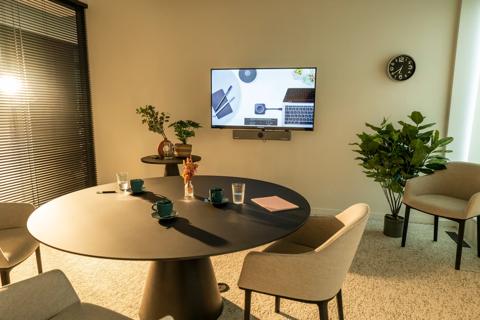
A conference room solution combines the technology needed to run productive in-room and hybrid meetings. It typically includes displays, cameras, microphones, speakers, room systems, wireless conferencing, wireless presentation, and meeting control tools, all designed to create a consistent and easy-to-use meeting experience.
A meeting room is any space designed for collaboration, from small huddle rooms to larger team spaces. A conference room is typically a more formal or fully equipped meeting space, often used for larger groups, customer meetings, presentations, and hybrid meetings with remote participants.
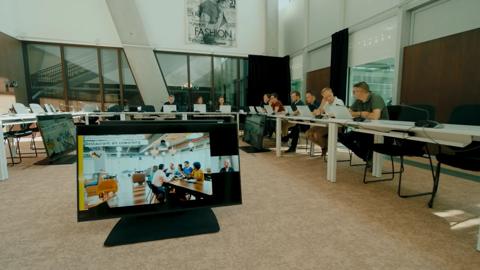
Conference rooms support hybrid meetings by connecting in-room and remote participants through clear audio, high-quality video, and simple content sharing. A well-designed hybrid conference room helps everyone join, contribute, and follow the meeting, wherever they are.
A Microsoft Teams Room is a conference room setup built for Microsoft Teams meetings. It combines certified Teams software and room hardware, such as cameras, microphones, speakers, displays, and a touch controller, so users can join meetings, share content, and collaborate from the room with a familiar Microsoft Teams experience.
The conference room equipment you need depends on the room size, layout, and meeting type. Small rooms often require a display, camera, microphone, speaker, and wireless sharing. Medium and large conference rooms may need wider camera coverage, stronger audio pickup, extra microphones, dual displays, or a modular room system.
AI can improve conference room meetings by making the experience more inclusive, focused, and efficient. AI-enabled cameras can frame participants, audio tools can reduce background noise, and meeting platforms can support captions, summaries, and follow-up actions for smoother hybrid collaboration.