
Parks aren’t just entertainment venues anymore; they’re ecosystems built for emotional and financial engagement.
by Koen Van Belle
Theme parks have always been places of escape, where imagination takes center stage and reality fades into the background. But in recent years, I’ve seen them involve into something more: strategic, multi-dimensional destinations that blend entertainment, hospitality, and commerce into a seamless experience.
This transformation hasn’t happened in a vacuum. It’s been shaped by shifting visitor expectations, economic pressures, and the need for operational resilience, especially in the wake of the COVID-19 pandemic. And based on our global survey of theme park professionals, it’s clear that parks aren’t just surviving these changes, they’re thriving by rethinking their business models and expanding their value propositions.
A growing market
The outlook for the industry is overwhelmingly positive, with strong momentum driving innovation and expansion. 80% of survey respondents believe the theme park sector is growing or strongly growing, signalling a robust rebound in visitor demand and a renewed appetite for immersive entertainment.
What’s even more interesting is how perspectives differ across roles. While 77% of theme park owners see the future as strongly growing, integrators and manufacturers show a more measured optimism. Their cautious stance reflects the natural timing of the value chain, where implementation follows strategic decisions, but it also underscores the opportunity for collaboration and alignment as parks move from vision to execution.
This nuance highlights an important truth: growth is happening, and success will depend on how well the entire ecosystem works together to turn bold ideas into unforgettable experiences.
Revenue resilience
The pandemic disrupted attendance patterns, strained operational budgets, and forced parks to reconsider how they generate revenue. But it also revealed something unexpected: less can be more.
During periods of reduced capacity, many parks noticed that guests were spending more, especially on side businesses like food, merchandise, and premium experiences. With fewer crowds, visitors felt more relaxed, more immersed, and more willing to invest in the experience.
This insight has reshaped how parks think about growth. It’s no longer just about volume; it’s about increasing value per visitor. Every touchpoint, from ticketing to themed accommodation, offers an opportunity to create memorable moments. Think of the quiet anticipation in a themed hotel lobby, the surprise of a projection-mapped dessert, or the comfort of a guest room that continues the story. These moments matter. They build loyalty, drive social sharing, and create memories that guests want to relive together.
It’s no longer just about increasing footfall - it’s about increasing value per visitor.
The rise of the resort
Perhaps the most transformative trend is the integration of hospitality into the theme park experience. Parks are increasingly investing in adjacent hotels, branded accommodations, and resort-style amenities that turn a day trip into a multi-day journey.
In our survey, 14.8% of respondents reported investing in hotels and resorts as part of their strategic growth plans. This reflects a growing understanding that the guest experience doesn’t begin at the gate, it begins at check-in.
Resort development offers multiple advantages:
- Extended guest stays, leading to higher per-visitor revenue
- Greater control over the visitor journey, from morning to night
- Opportunities for cross-promotion, such as bundled packages or themed rooms
- Brand immersion, allowing parks to reinforce their identity across multiple environments
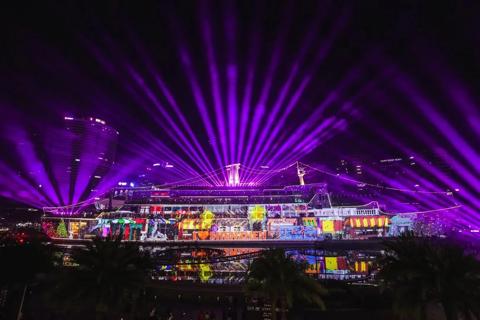
And this trend isn’t limited to land-based parks; cruise ships are embracing similar strategies, creating themed voyages that extend the entertainment experience across multiple days and destinations.
Technology as a strategic enabler
While this post isn’t about specific products, I can’t ignore the role of technology as a strategic enabler in this transformation. Visualization systems and immersive media platforms allow parks to extend storytelling beyond attractions, into hotel lobbies, restaurants, and retail spaces. Projection mapping, interactive displays, and dynamic content create environments where every moment feels connected to the narrative. This approach transforms hospitality spaces into part of the experience, building emotional engagement and creating memories that guests share long after their visit.
They also support operational efficiency, reducing downtime, simplifying maintenance, and enabling real-time content updates. In a world where guest expectations are high and staffing challenges persist, these capabilities are essential.
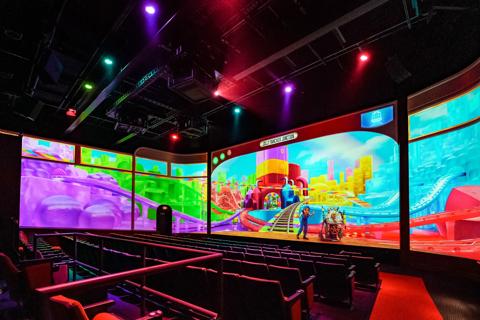
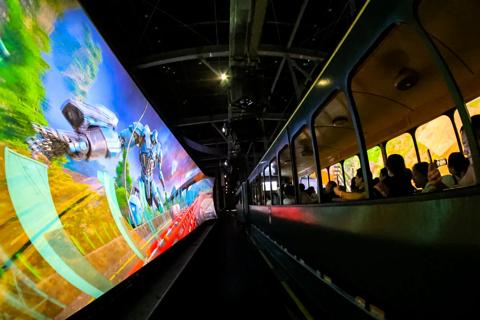
But most importantly, technology allows parks to tell better stories. It empowers designers to create experiences that are inclusive, sustainable, and deeply engaging. Visualization and media-based attractions play a key role here. Projection mapping, 4D cinema, and immersive storytelling allow parks to create high-impact moments that feel personalized and premium.
Final thoughts
The theme park industry is no longer defined by turnstiles and ticket stubs. It’s defined by journeys. Multi-day, multi-sensory, multi-dimensional journeys that reflect the values and aspirations of today’s visitors. And the rise of the resort is a creative opportunity to extend the magic beyond the park gates.
As parks continue to evolve, those that embrace this holistic, guest-centered approach will not only thrive, they’ll lead the way into a new era of destination entertainment. Discover Barco’s offering for all theme park solutions here.

Other articles by this author
上一页
的
...
下一个
Related articles
上一页
的
...
下一个