Búsqueda de Barco

Notificaciones de myBarco

No leído

Leer

No tienes ninguna notificación.
Productos

7 things that make a simulation projector

5 minutos leídos

Not all projectors are created equal. In simulation, the stakes are higher and the requirements more demanding. The visual system directly shapes training accuracy and realism.

Here are seven things that truly set simulation-grade projectors apart.

1. High refresh rates for smooth motion

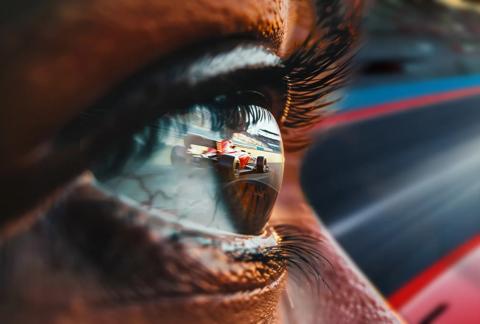
Simulation depends on motion that looks and feels real. Support for extreme refresh rates such as 4K at 240 Hz today and a roadmap toward 8K at 240 Hz ensures motion stays crisp, blur free, and natural at high speeds. These high refresh rates combined with ultra low latency ensure fast movement remains sharp, responsive, and natural, essential for flight, tactical, and fast motion training.

a racing car zooms through a neon-lit rally, showcasing a hz refresh rate, with bright green and black colors and traffic lights ahead

2. Visual acuity that matches human perception

Simulation often aims for training grade sharpness, where projected detail must approach what the human eye can naturally resolve. That means tight pixel density, precise optics, color accuracy... Combined, these ensure trainees see fine detail like runway textures, horizon lines, light points or airfield lightning – exactly as they would in reality. This level of visual acuity supports realistic decision making, not just immersion.

3. Color & brightness stability over thousands of hours

Simulation visuals must look the same on day 1 and day 1,000. High stability light engines, precision color calibration, and engineered thermal handling ensure long term uniformity, crucial for immersion, repeatability, and cross training consistency.

4. Advanced warping & multi channel blending

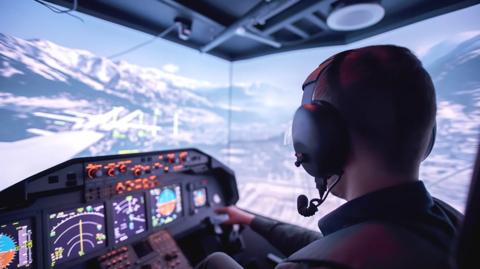
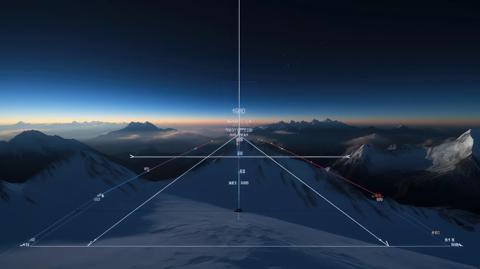
Person using a flight simulator with control panel and cockpit view of snowy mountains displayed on screens.

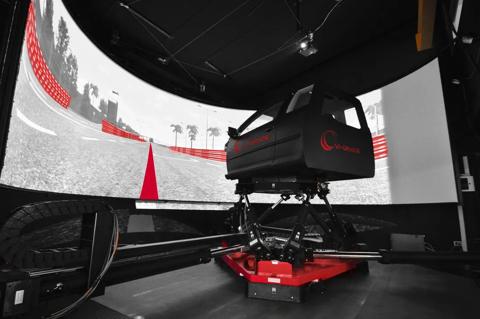
Large scale simulation environments rely on multiple projectors working as one. Whether you’re aligning a full dome or a 240° panoramic screen, simulation projectors must map geometry with surgical precision. High accuracy warping and seamless blending ensure one unified, distortion free visual world, not a patchwork of overlapping images.

5. Day-to-night training

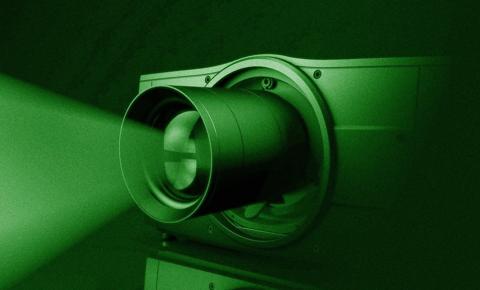
Real world scenarios do not stop when daylight fades. True simulation projectors support night training scenarios, including operation with night vision equipment, without requiring changes to the visual system. This continuity allows instructors to train full mission profiles – from day to dusk to night – within a single simulator environment.

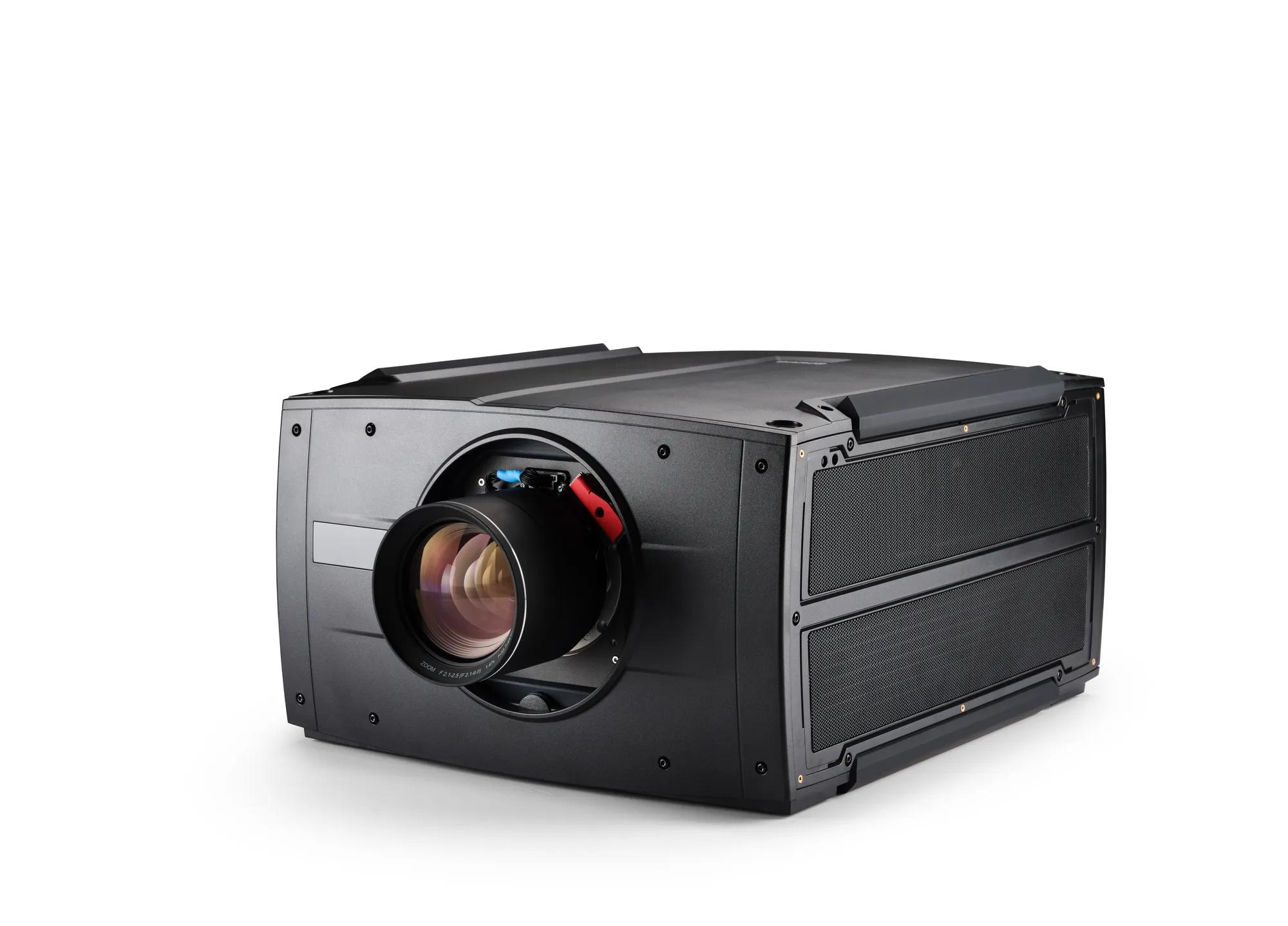
FL40
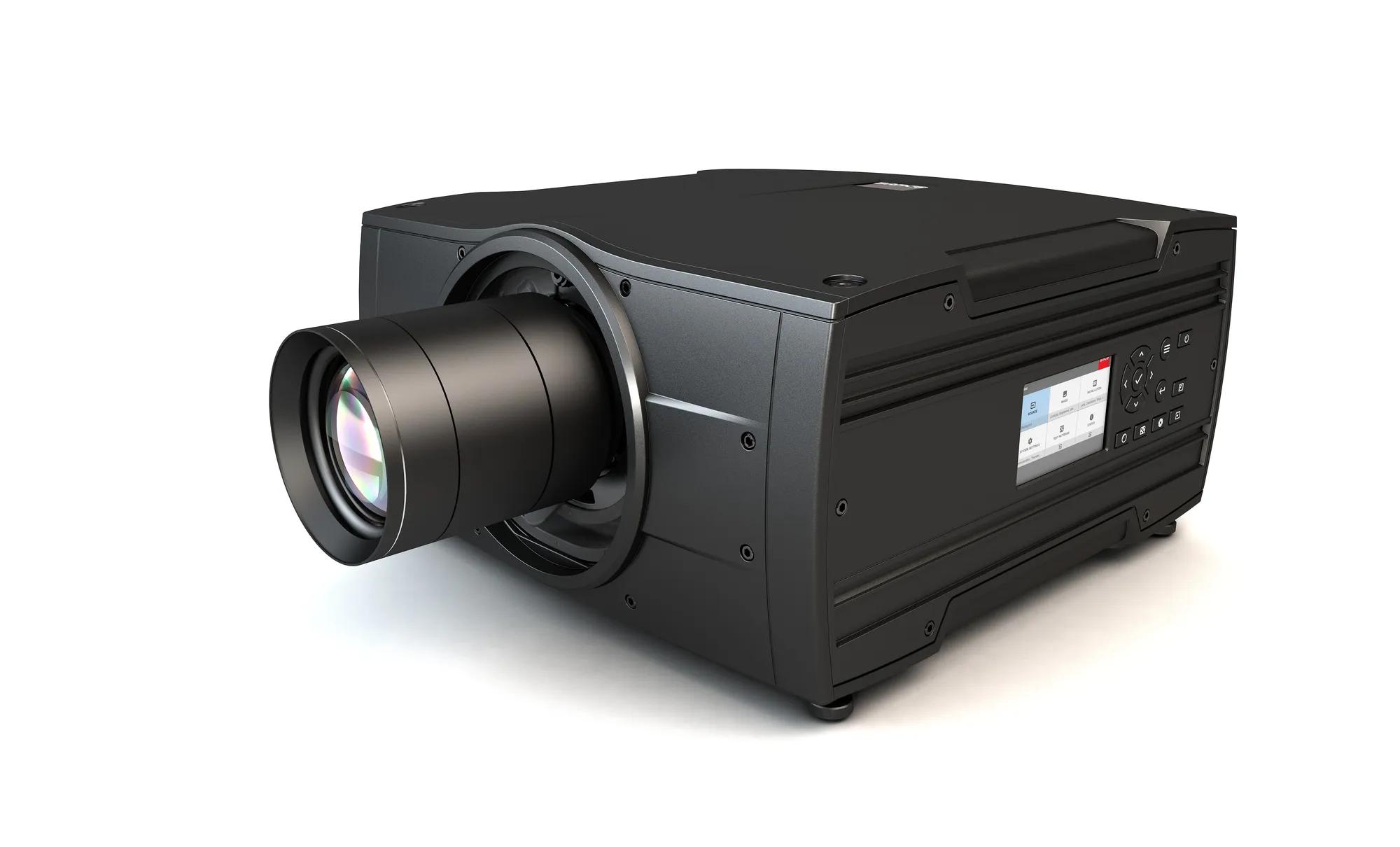
FS40

6. Mission-critical reliability

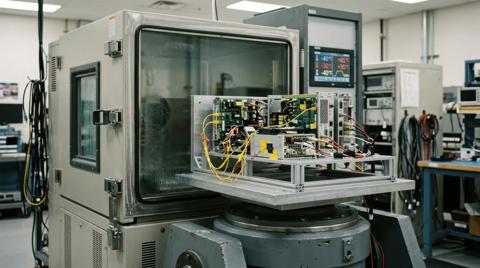
Medium shot of electronic instruments inside an environmental stress screening chamber experiencing thermal cycling for durability testing. Closeup of complex devices secured in a

Reliability isn’t a feature, it’s a necessity. Simulation hardware must withstand long duty cycles, intense G-forces on motion platforms, and demanding operational schedules. Rugged optical engines, sealed designs, and stable cooling systems give simulation projectors the reliability required for non-stop training.

7. Upgradeability via platform software

A simulation projector shouldn’t be frozen in time. With platforms like Barco Pulse, projectors gain new capabilities and performance improvements through updates, extending the life and value of the system. This keeps the visual system future ready without component swaps.

Other articles by this author

Anterior
de ... Siguiente

Related articles

Anterior
de ... Siguiente