
Walk into the meeting room, you immediately see if the room is available or not
5 min leestijd
Remember phone conferencing? It’s amazing how video has pushed this technology to the background almost completely. Today, video has become the most important medium for conferencing.
Although we all have become more digitally confident, and though we’re using video to collaborate with remote and in-office colleagues all the time, it’s clear that the hybrid meeting user is expecting more of their technology. BYOM is the logical next step in this evolution, and it’s bringing video conferencing to a higher level.
Just because everyone likes to use video for conference calls doesn’t mean that the meeting experience is always a pleasant one.
Conferencing technology and different types of AV equipment may be able to facilitate more productive meetings, but meeting users still experience frictions with technology for hybrid video conferences:
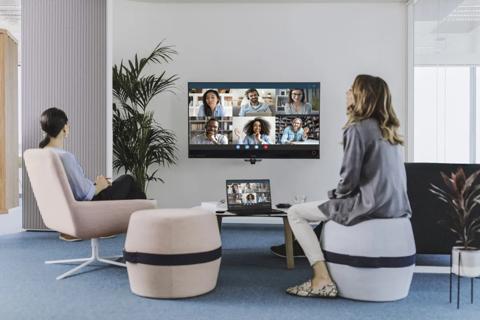
Today, the focus is shifting towards a BYOM-style of video conferencing. With BYOM (Bring Your Own Meeting), employees adopt a huddle-like, unplanned way of working. They use their own device to host a video conference, and their preferred conferencing software (e.g. Microsoft Teams, WebEx, Zoom or other).
At the same time, they can benefit from the available audio and video peripherals of the meeting space they are in. With BYOM, they can choose to ignore the existing room system equipment provided by IT to connect with remote participants.
The rise of BYOM didn’t come out of nowhere. It’s a natural extension of BYOD (Bring Your Own Device) in the workplace. BYOD refers to the trend of employees using their own personal devices for work purposes and to connect to the company networks and work-related systems. Personal devices could include laptops, smartphones, or tablets.
BYOM has made conferencing and collaboration part of a more informal, ad hoc and less structured workstyle, currently trending in enterprises all over the globe. BYOM is expanding rapidly and different factors are driving this trend:
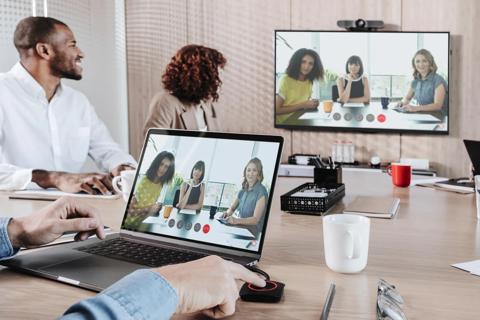
Intuitiveness is at the heart of the BYOM trend. The fact that people can use their own devices and platforms not only drives productivity and engagement, it also takes away a lot of the technology stress that used to be typical for video conferences.
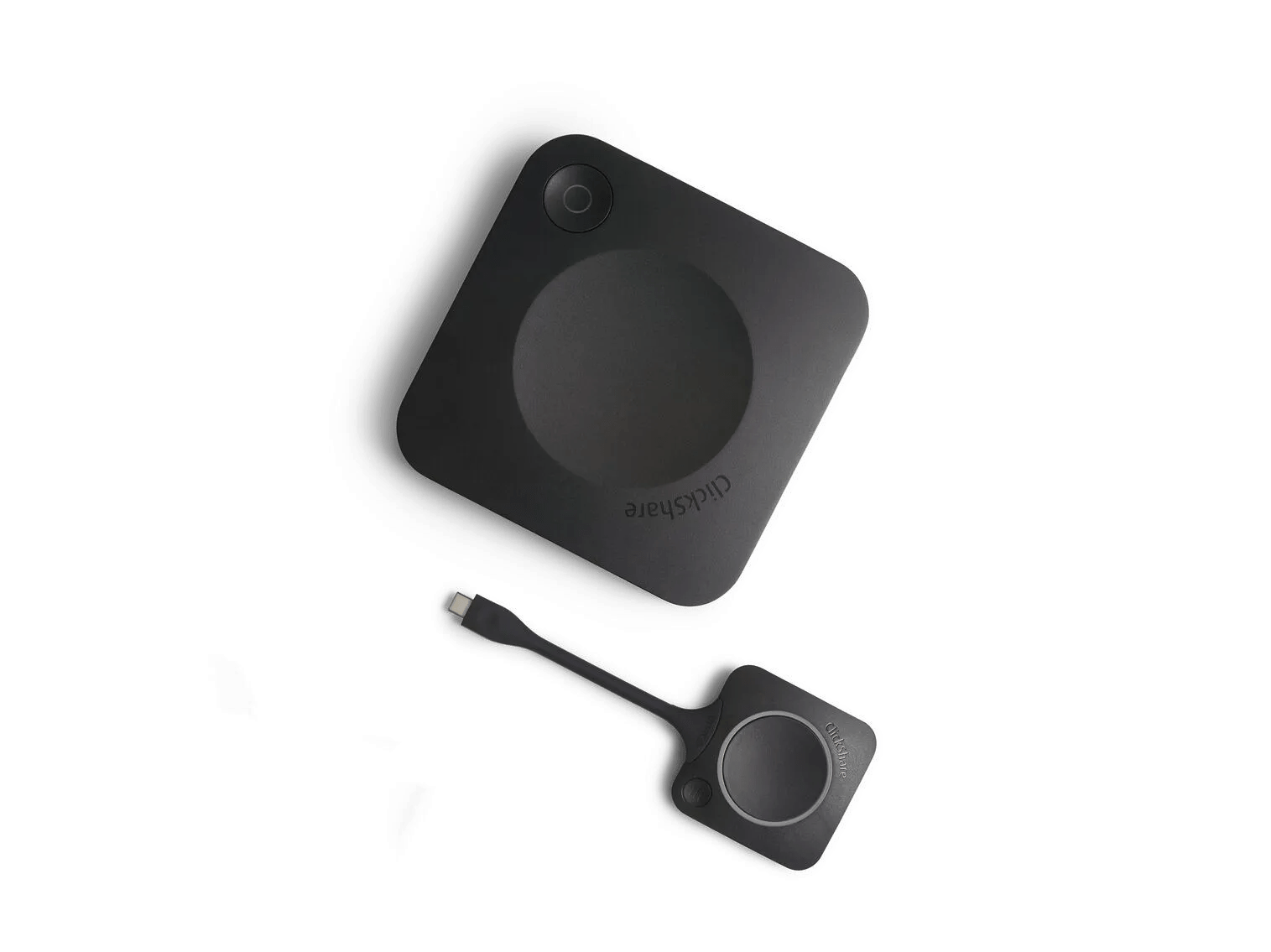
With ClickShare Conference, you could say that intuitiveness has been turned up a notch, and it has a lot to do with the solution’s so-called Smart Meeting Flows, a set of features that guide users through the meeting. Here are the most important ones:
Walk into the meeting room, you immediately see if the room is available or not

Automatically connect to the meeting room with the App or plug in a Button

Kick off your meeting, ClickShare guides you as a host or participant

Join any meeting from your personal calendar with a single click

Share full screen or application window, while keeping your laptop screen private for note taking
Share your presentation while keeping remote participants' video on screen

When you end the call, the meeting room display becomes a digital signage display
With trends like remote working, flexible office designs, a younger workforce entering business life, optimizing workplace productivity has becoming even more challenging. BYOM is the perfect answer to this need.
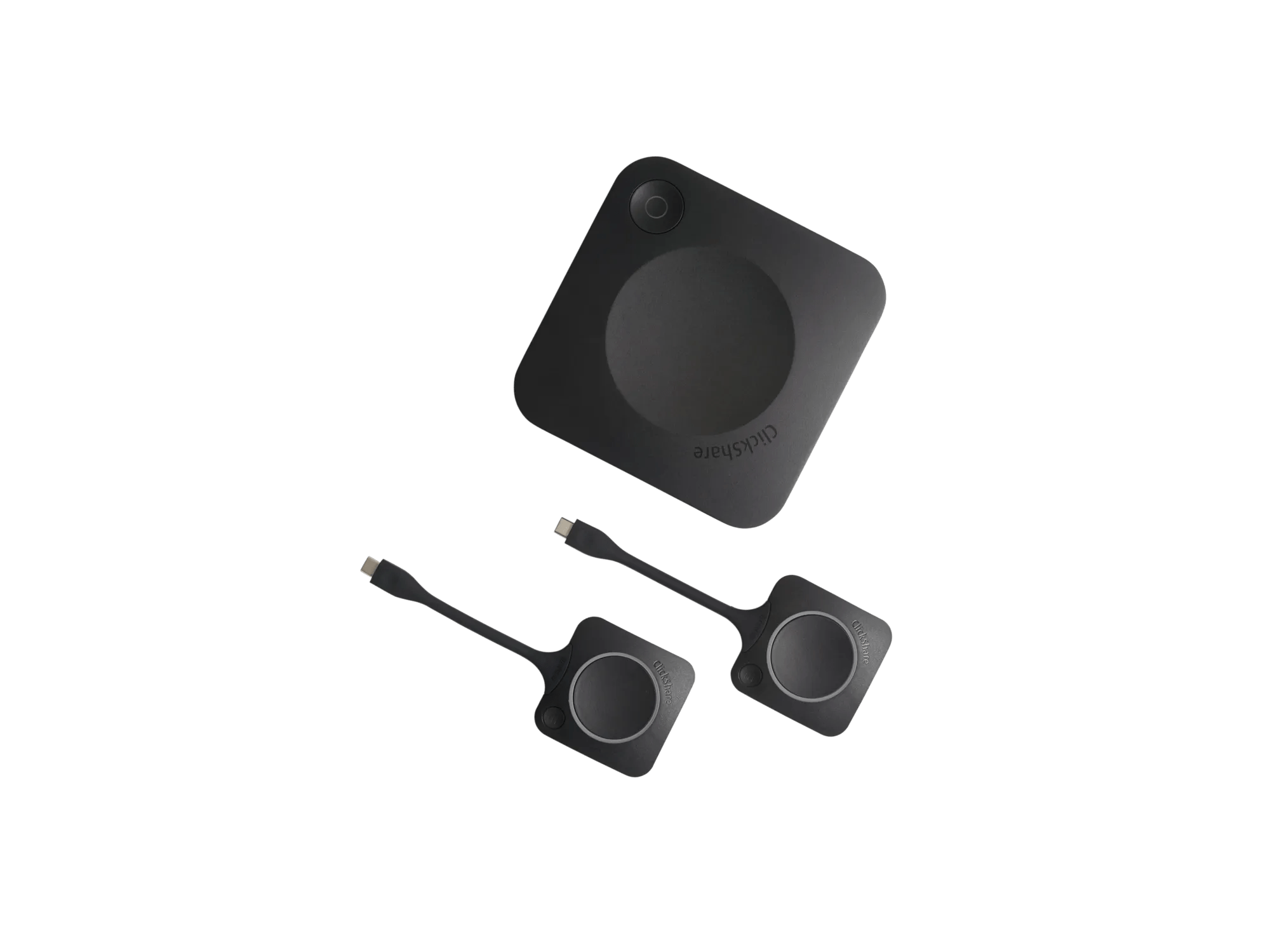
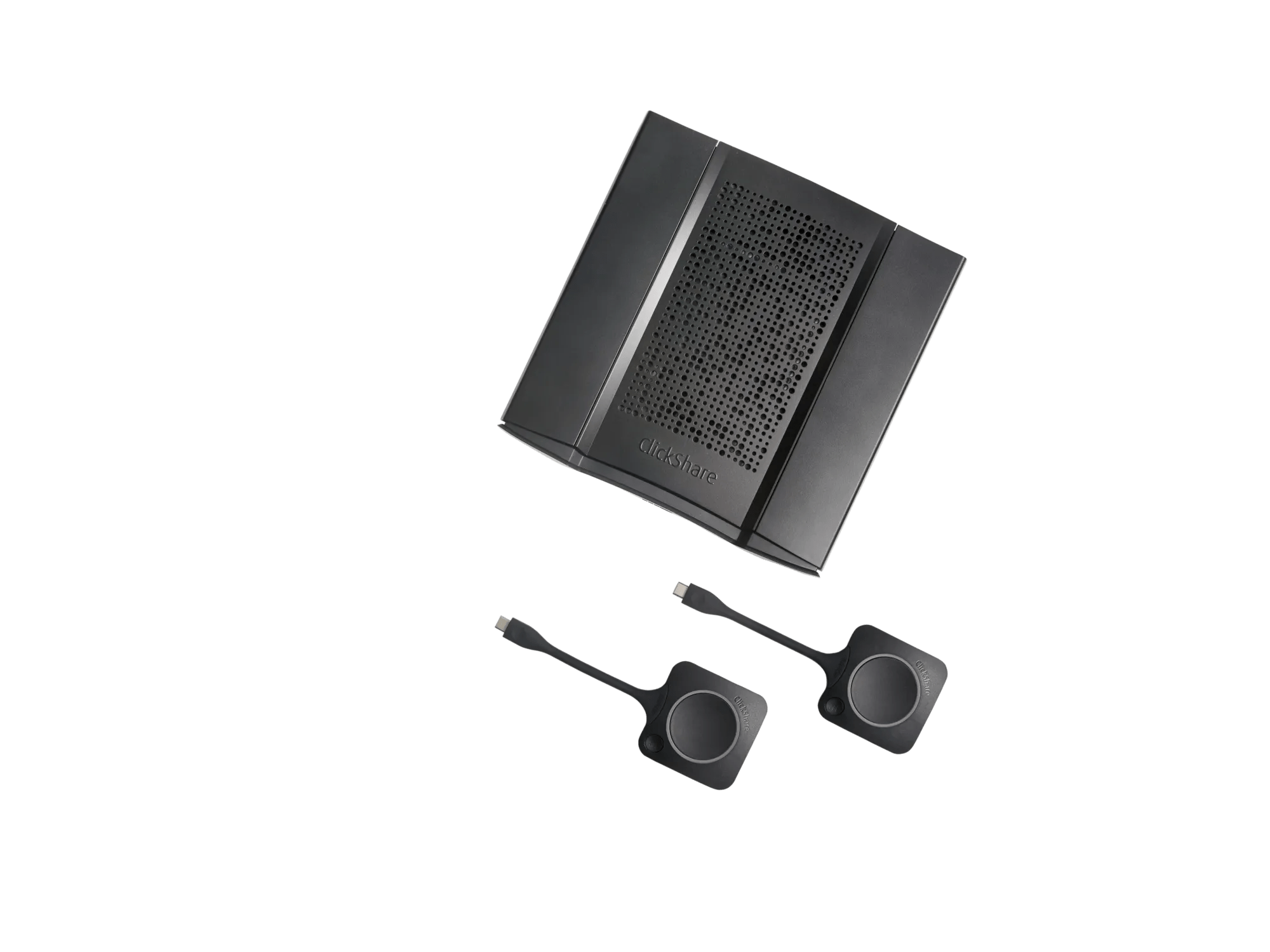
ClickShare Conference enables simple, better hybrid meetings and it accommodates the increasing need for BYOM in the workplace. Walk in, and ClickShare will automatically and wirelessly connect your laptop to the room peripherals. Smart meeting flows will guide you to intuitive, stress-free video meetings and/or easy content sharing. Get started within seconds. No cables, no mess, no time to waste. With ClickShare, the future of BYOM is here already.