記事 · 読み終わるまでの時間:約2分 · 持続可能性 · コントロールルーム · 2023/05/25
コントロールルーム · 持続可能性 · 読み終わるまでの時間:約2分
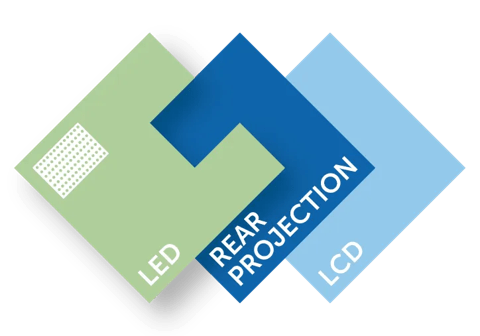
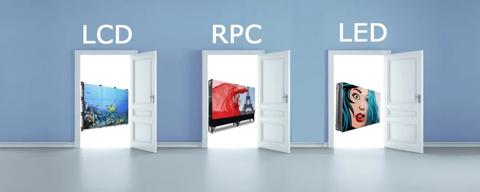
Electricity costs account for an increasing part of a company’s monthly expenses and should therefore be minimized as much as possible. Furthermore, as power generation produces a lot of CO2, it is also better for the environment to restrict power consumption. In this blog, we will compare different display technologies - rear-projection, LCD and LED - and evaluate their energy efficiency in control room settings.
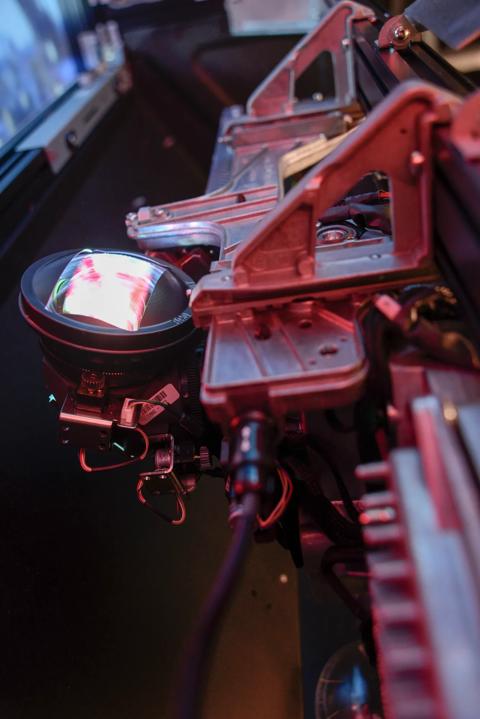
The three technologies are very different from each other. An RPC (rear-projection cube) consists of a projector (facing upwards). The light of the lighting source (LED or LASER) is cast onto a DLP chip, that lets the light pass or not.
Read more about the DLP chip technology
The image is then reflected by a mirror and cast onto the rear-projection screen. These cubes are then stacked together to form a video wall.

An LCD screen has one (or multiple, depending on the technology) backlight(s), that illuminate(s) an LCD matrix. This matrix determines if light passes or not.
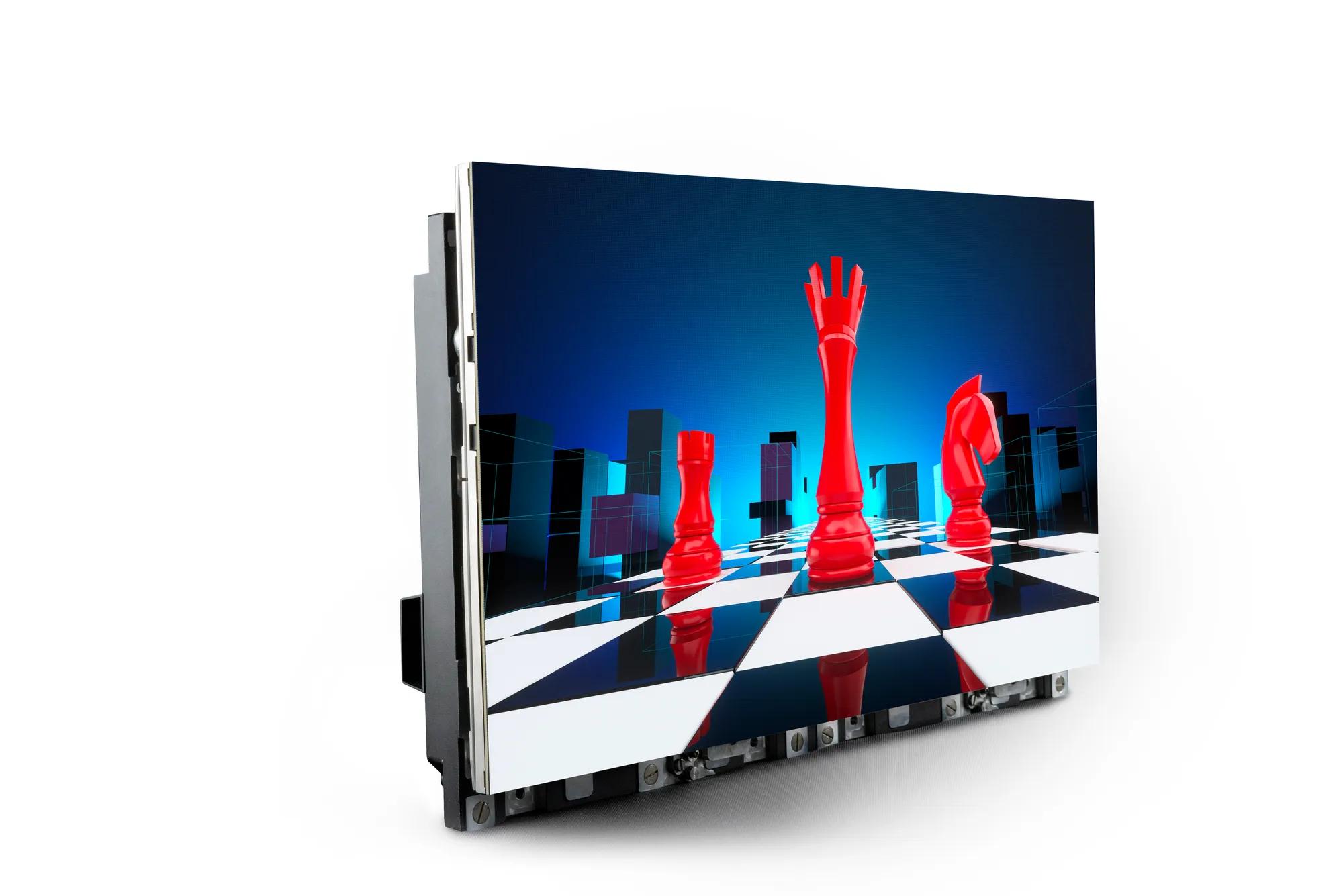
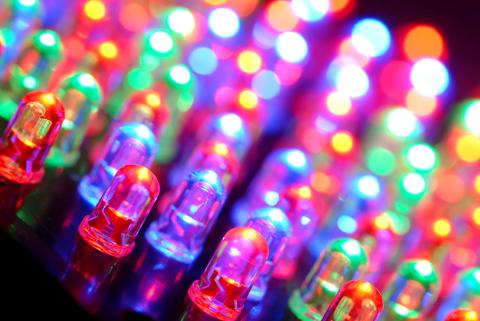
In direct-view LED, there is no single lighting source. Instead, every pixel is an individual LED (or rather, multiple LEDs because these are needed to give color). The current on these LEDs determines how bright they shine.
The graph below shows the typical power consumption of the different technologies, with the brightness set to 400 nit – a medium value commonly used in control rooms and broadcast environments.
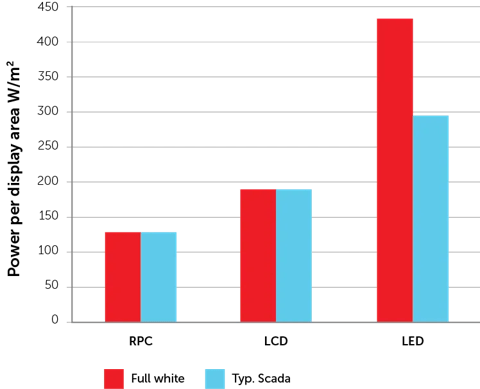
The results pretty much speak for themselves. RPC consumes the least energy. The RGB laser sources we used in the test provide a high level of illumination for a minimal amount of power. LCD follows rather closely. LED, with its many tiny lighting sources, is the most gluttonous technology today. Note however that the energy-consumption of LED has dropped significantly over the years, and the industry (including Barco) is working hard to get this further down. Innovation can be expected on that front!
It is interesting to see on the graph that for RPC and LCD video walls, the power consumption remains the same whatever the content. So, a test with full white content and typical SCADA-image consumes exactly the same amount of energy. For LED, this is very different.
The reason behind this difference, is that for both RPC and LCD, there is a single lighting source that produces the same amount of light. This light is either transferred to the display or blocked. So, the power consumption is continuous. LED on the other hand, has all lighting sources visible (that’s why these types of displays are also called direct-view LED). The LEDs light up if necessary, but stay dimmed when dark content is displayed. That is why predominantly black content consumes a lot less energy on LED displays – but still more than its RPC and LCD counterparts.
NOTE: In this article, we only evaluate power consumption. Other sustainability parameters, such as use of materials, packaging, end-of-life-management, etc., are not considered. So, an LED video wall can still be considered sustainable when it scores well on these points, even though it consumes more energy than other technologies. Most research and innovation is currently faced towards LED technology, so we can expect a drop in energy consumption in the near future!