
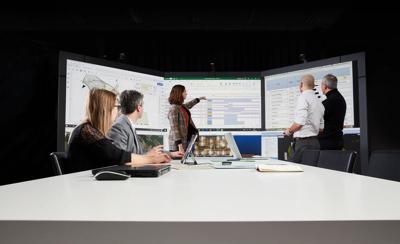
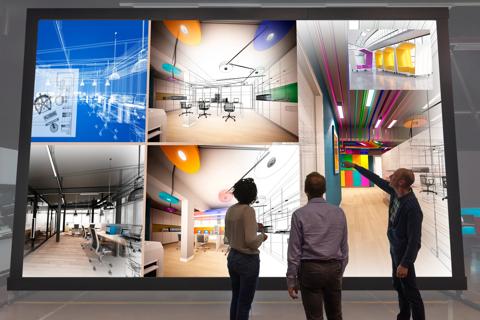
Large-scale visualization for effective and cost-saving decision-making and planning in the AEC market.
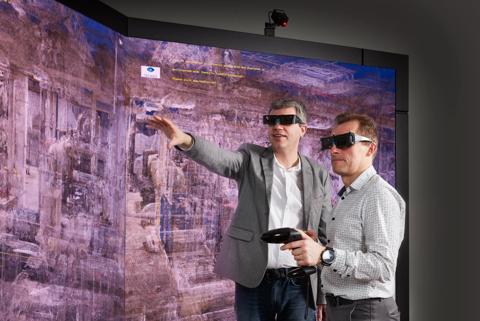
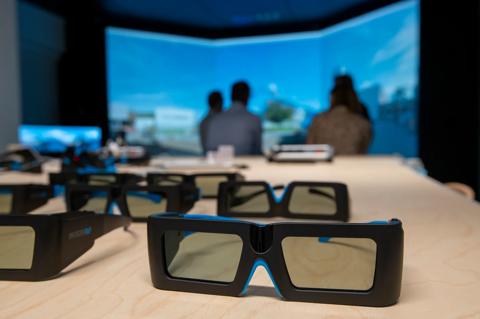
Large-scale visualization for effective and cost-saving decision-making and planning in the AEC market.
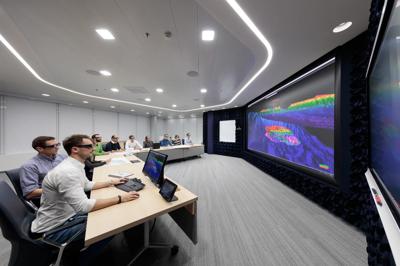
3D visualization solutions for better insights in oil exploration and drilling.
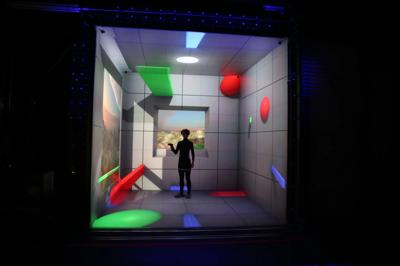
Immersive solutions for advanced 3D scientific research and development.
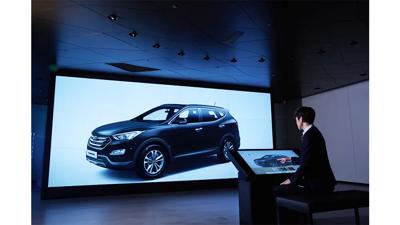
Solutions for shorter and more cost-effective design cycles using virtual prototyping.
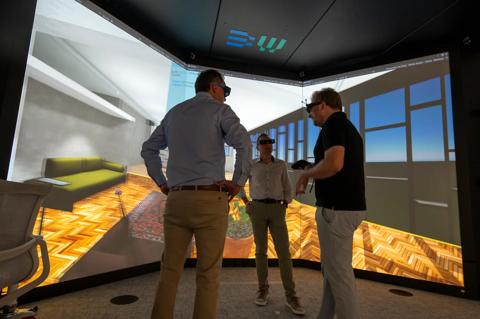
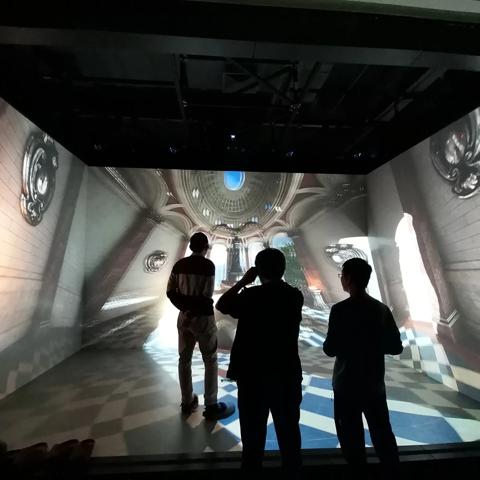
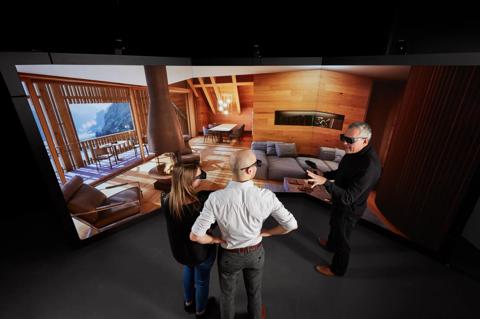
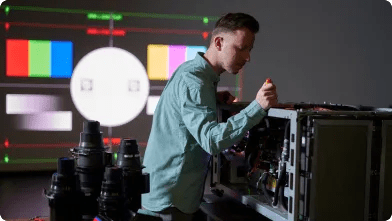
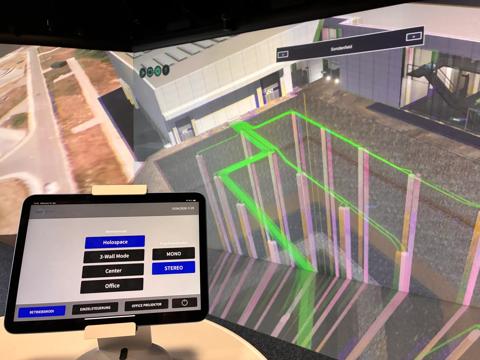


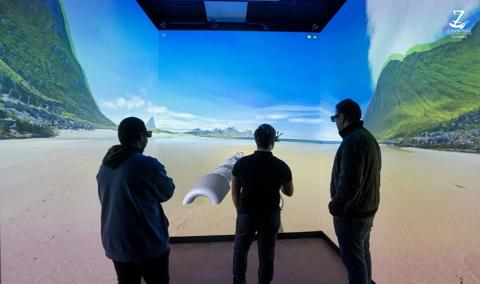
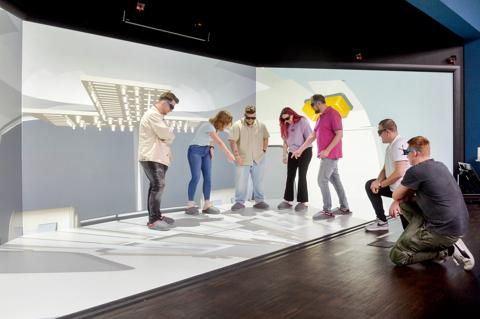
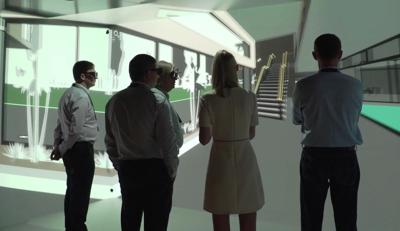
VR is a simulated experience that can be similar to or completely different from the real world. Virtual reality systems use either virtual reality headsets or multi- projected environments to generate realistic images, sounds and other sensations that simulate a user’s physical presence in a virtual environment.
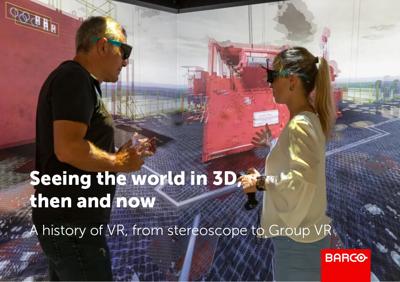
Today’s virtual reality technologies build upon ideas that date back to the 1800s, almost to the very beginning of practical photography. In the sixties, seventies, eighties, hardware advancements and new applications paved the way for much of the amazing VR technology we’re seeing today.
Virtual Reality systems use either VR head mount devices (HMDs) or multi-projected environments to generate realistic images in a virtual environment. Where do these two solutions differ? We’ll compare the immersive, ergonomic and interactive aspect of both tools to determine the pros and cons for business applications in this blog post.
VR has long been seen as a gimmick for the gaming world only. But in recent years, the industry is poised for growth as the technology gained popularity in professional applications like the real estate industry, research and training environments and the healthcare sector, to name but a few. In this article, we’ll look at the benefits of using VR in these new business applications.
e-book
blog